



For beginners, for everyday
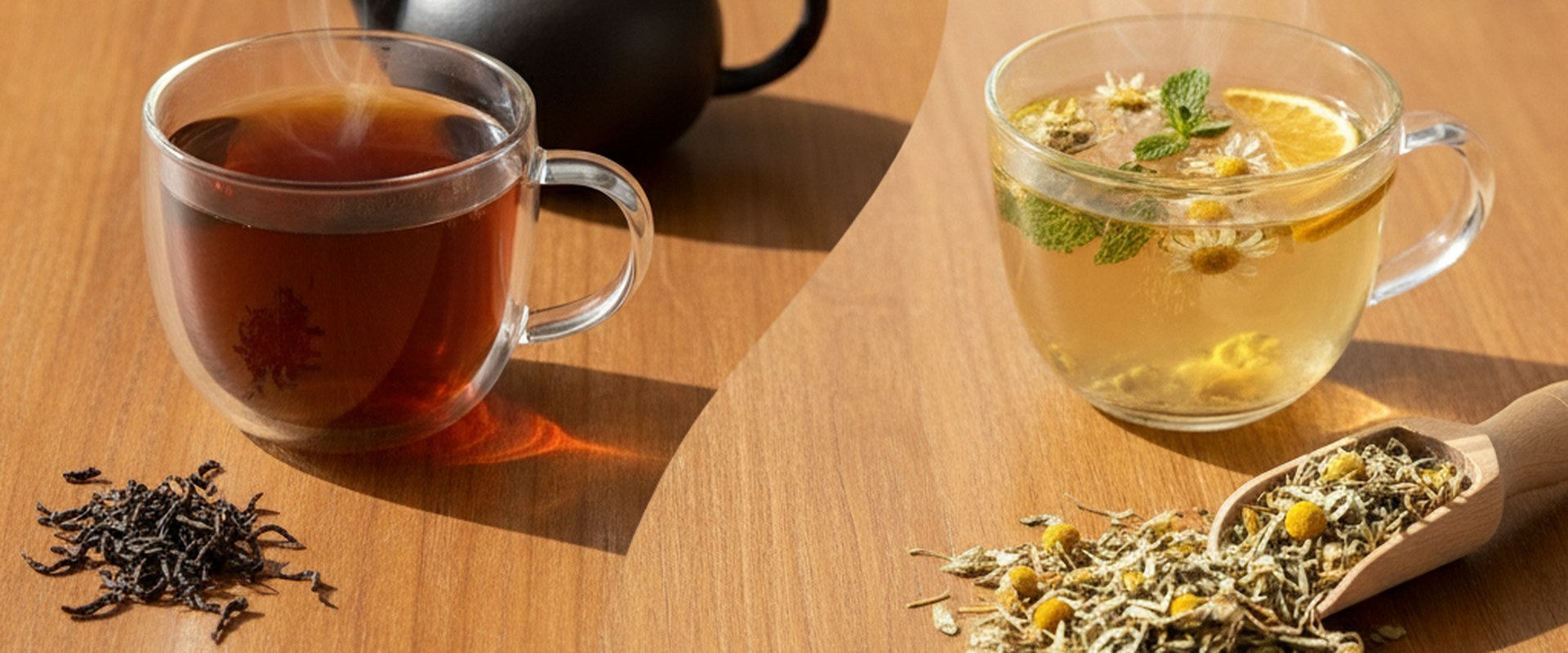
How black tea differs from green tea
Black and green tea are made from the same plant — Camellia sinensis. The only difference is in leaf processing. Green tea is barely oxidised and dried at once, black tea is fully oxidised — 2–4 hours. It is oxidation that turns light catechins into dark theaflavins and thearubigins, giving the infusion a red-brown colour and a honey-malty taste.
There's a small confusion in the names. In China this tea is called «red» (hong cha) — after the colour of the infusion, not the dry leaf. And «black» in the Chinese tradition means an entirely different type — post-fermented, which includes pu-erh and its brewing methods. If you're interested in a mild option without strong fermentation, take a look at the benefits and harm of green tea.
The benefits of black tea: what the research shows
The main value of black tea is polyphenols. During oxidation, catechins turn into theaflavins and thearubigins, and it is exactly these that provide most of the antioxidant effect. Here is what that means in practice:
- Heart and blood vessels. Black tea: benefits, harm and how to brew [2026]
- Alertness without a spike. 40–70 mg of caffeine works more gently than the 80–100 mg in espresso: L-theanine smooths the peak and gives steady focus for 2–3 hours without jitters.
- Teeth. Tea contains fluoride and polyphenols that suppress plaque bacteria. Without sugar, black tea is neutral for enamel.
- Digestion. A warm, weak infusion after a meal subjectively eases heaviness — thanks to tannins and warmth, not "fat burning".
- Hydration. Contrary to the myth, tea in moderate doses doesn't dehydrate: caffeine's diuretic effect at such amounts is weak.
Harm and contraindications: where to know your limits
The safe caffeine limit for a healthy adult is up to 400 mg per day, roughly 5–6 cups of black tea. For pregnant women the threshold is lower — up to 200 mg (2–3 cups). Exceeding it causes insomnia, tachycardia and anxiety.
Three practical points people forget:
- 8–12 infusions from one portion Tea with a meal reduces the absorption of non-heme iron by 30–60%. If you're prone to anaemia, drink tea not with food but 40–60 minutes after.
- Strong tea on an empty stomach in people with gastritis it triggers heartburn and discomfort. In the morning it's better to start with food, then tea.
- Don't wash down medicines with it. Tannins bind a number of medications (iron, some antibiotics, antipsychotics) and reduce their effectiveness.
For a healthy person without the nuances listed, 3–5 cups a day is a comfortable and safe amount.
Black tea varieties: from Assam to Keemun
How does shou differ from sheng pu-erh in simple terms?
| Variety | Region | Flavor character | Caffeine |
|---|---|---|---|
| Which pu-erh is stronger and more invigorating? | India, Brahmaputra valley | Strong, malty, with a hint of bitterness | high |
| Darjeeling | India, the Himalayan foothills | Light, with a muscat and floral note | medium |
| Ceylon | Sri Lanka | Bright, citrusy, with a pleasant astringency | medium |
| Keemun (Qihong) | China, Anhui province | Wine-and-fruit, with a cocoa aftertaste | medium |
| Dian Hong | China, Yunnan | Sweet, honeyed, with golden tips | — a pressing in the shape of a bowl or dome, from 3 to 250 g. Small tuo of 5–8 g are handy for a single brew. |
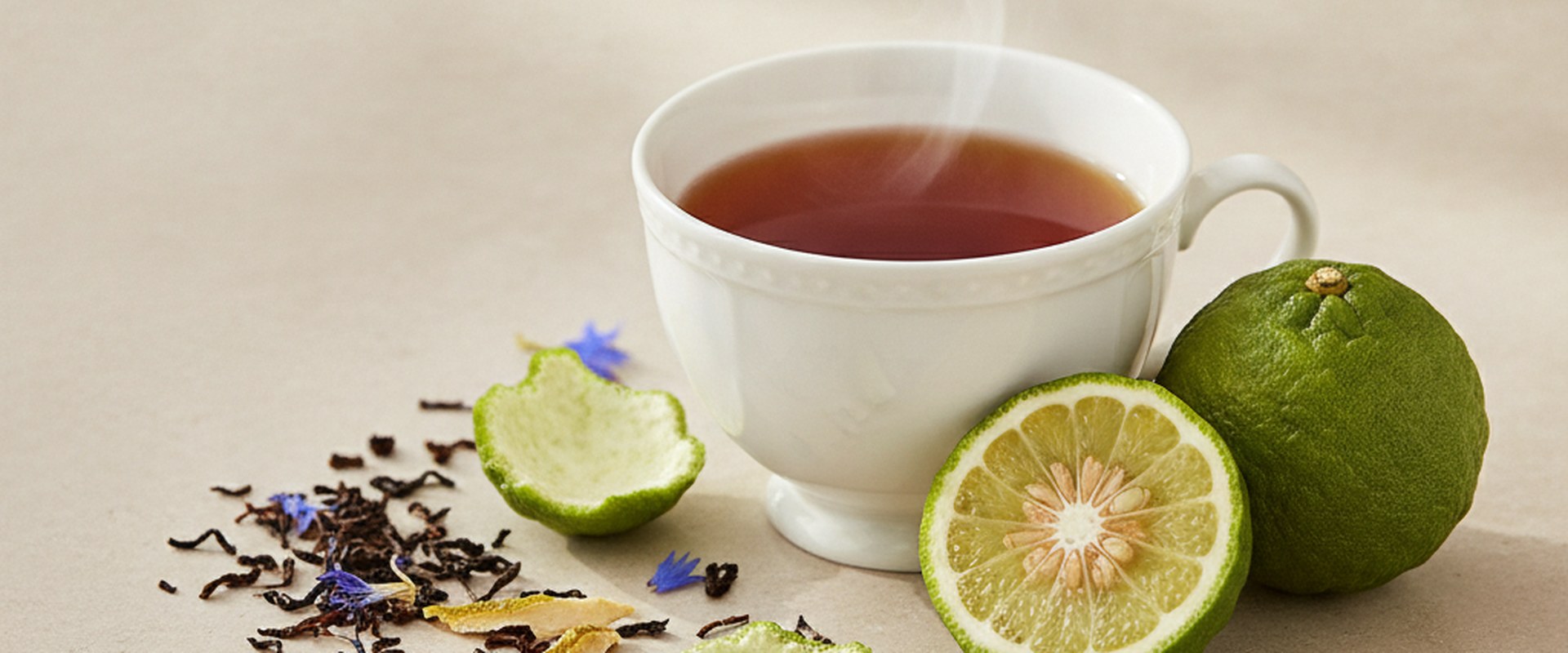
| Earl Grey | Keemun (Qihong) | Citrus-floral, flavoured | medium |
For your first acquaintance, take Ceylon or Dian Hong — they forgive brewing mistakes and rarely turn bitter. Assam is good with milk, while Darjeeling and Keemun are best drunk plain, without additives.
How to brew black tea properly
The basic ratio is 1 teaspoon (2–3 g) of leaf per 200 ml of water. Water for black tea should be near boiling: 90–95 °C. Water that's too hot (100 °C) "scalds" the leaf and draws out excess bitterness, while warm water (below 85 °C) won't reveal the flavour.
| Parameter | Meaning | If you break the rule |
|---|---|---|
| Water temperature | 90–95 °C | Boiling water → bitterness; lukewarm → flat taste |
| Tea for 200 ml | 2–3 g (1 tsp) | Too little → watery; too much → astringent |
| Time in the cup/teapot | 3–5 minutes | Over-steeping → astringency and bitterness |
| . If you're interested in a mild option without strong fermentation, take a look at | 2–3 infusions | After the 3rd the infusion goes empty |
Heart and blood vessels.
Milk, lemon, honey — to your taste. Milk softens the astringency of strong Assams; lemon lightens the infusion (this is a natural tannin reaction, not «chemistry»).
How to choose and store black tea
Good loose-leaf tea is a whole rolled leaf, not dust. The finer the fraction, the faster the tea gives up bitterness and loses aroma, so bagged «tea dust» almost always loses to loose leaf in taste. Look for whole leaves, even colour and a live, non-«dusty» smell.
Tea should be stored in an opaque airtight jar, away from light, moisture and strong odors (spices, coffee). The shelf life of loose-leaf black tea is about 2 years, but the best flavor is in the first 6–12 months. A refrigerator is unnecessary and even harmful: temperature swings cause condensation, and moisture kills the aroma fastest of all. Don't pour tea into an open sugar bowl or a former coffee tin — a foreign smell soaks in within a couple of days and can no longer be removed.
Из ароматизированной и региональной классики стоит присмотреться к двум сортам: чаю Эрл Грей с бергамотом и яркому цейлонскому чаю — про оба есть отдельные разборы.
Тёплый чёрный чай — одно из первых средств, когда простужаешься. Какой чай выбрать при простуде и для иммунитета, разобрали в отдельной статье.
Чёрный чай — самый бодрящий из привычных сортов. Какой чай бодрит, а какой успокаивает, сравнили здесь.
Frequently asked questions
How many cups of black tea can you drink a day?
For a healthy adult — 3–5 cups, which fits within the safe caffeine limit of up to 400 mg per day. Pregnant women are sensibly advised to limit themselves to 2–3 cups (up to 200 mg of caffeine).
Does black tea raise or lower blood pressure?
It briefly raises it slightly due to caffeine — by 5–10 mmHg for 1–2 hours. With regular moderate consumption, no sustained rise in blood pressure is observed in healthy people. People with hypertension should watch the strength.
Can you drink black tea at night?
Not advisable: 40–70 mg of caffeine acts for 4–6 hours and can interfere with falling asleep. If you want tea in the evening, brew it weaker and no later than 4 hours before bed, or choose a herbal infusion.
How does black tea differ from pu-erh?
Black tea is oxidised (fermentation by the leaf's own enzymes at 80–100 %). Pu-erh is post-fermented: it is aged with the participation of microorganisms for months and years. That's why pu-erh has an earthy «aged» taste, while black tea has a malty-fruity one.
Which black tea should a beginner choose?
Ceylon or Yunnan Dian Hong. They're mild, aromatic and hardly turn bitter even with slight over-steeping. Go for Assam if you like strong tea with milk.
Can black tea be brewed again?
Yes, quality loose-leaf tea withstands 2–3 infusions. With each infusion the taste becomes softer and the aroma opens up anew. After the third brew the infusion usually goes empty.
Do you gain weight from black tea?
Tea by itself, without sugar or milk, contains about 2 kcal per cup — it does not contribute to weight gain. Calories come from sugar, condensed milk and cookies on the side, not from the drink itself.
Black tea or coffee: which to choose for energy
A cup of black tea has 40–70 mg of caffeine versus 80–100 mg in an espresso — coffee gives a sharper, faster kick. But tea has a trump card: the amino acid L-theanine smooths out the effect of caffeine, so the alertness comes on more gently and lasts longer, without the spike and subsequent crash.
| Parameter | Black tea (200 ml) | Coffee (espresso) |
|---|---|---|
| Caffeine | Flavor character | 80–100 mg |
| Character of the energy boost | Soft, even | Sharp, fast |
| Duration | 2–3 hours | 1–2 hours |
| Acidity | Low | High |
For those who tolerate coffee poorly (rapid heartbeat, heartburn), black tea often sits easier. In the morning, when you need a quick start, coffee wins; for long, steady concentration through the day — tea.
Keemun (Qihong)
In the catalog AMIR TEA — leaf black tea from India, Sri Lanka and China: from strong Assams to mild Yunnan Dian Hong. We've been selecting tea for private clients and cafés since 2019, in Samarkand. See the range in the section black tea in the AMIR TEA catalog — we'll help you choose a variety to suit your taste and brewing method.
How to tell real loose-leaf tea from dyed fannings and fakes — we covered it in the guide «Organic and natural tea: how to tell the real thing from a fake".
Where black tea sits in the overall system of Chinese varieties — in the overview types of Chinese tea.