



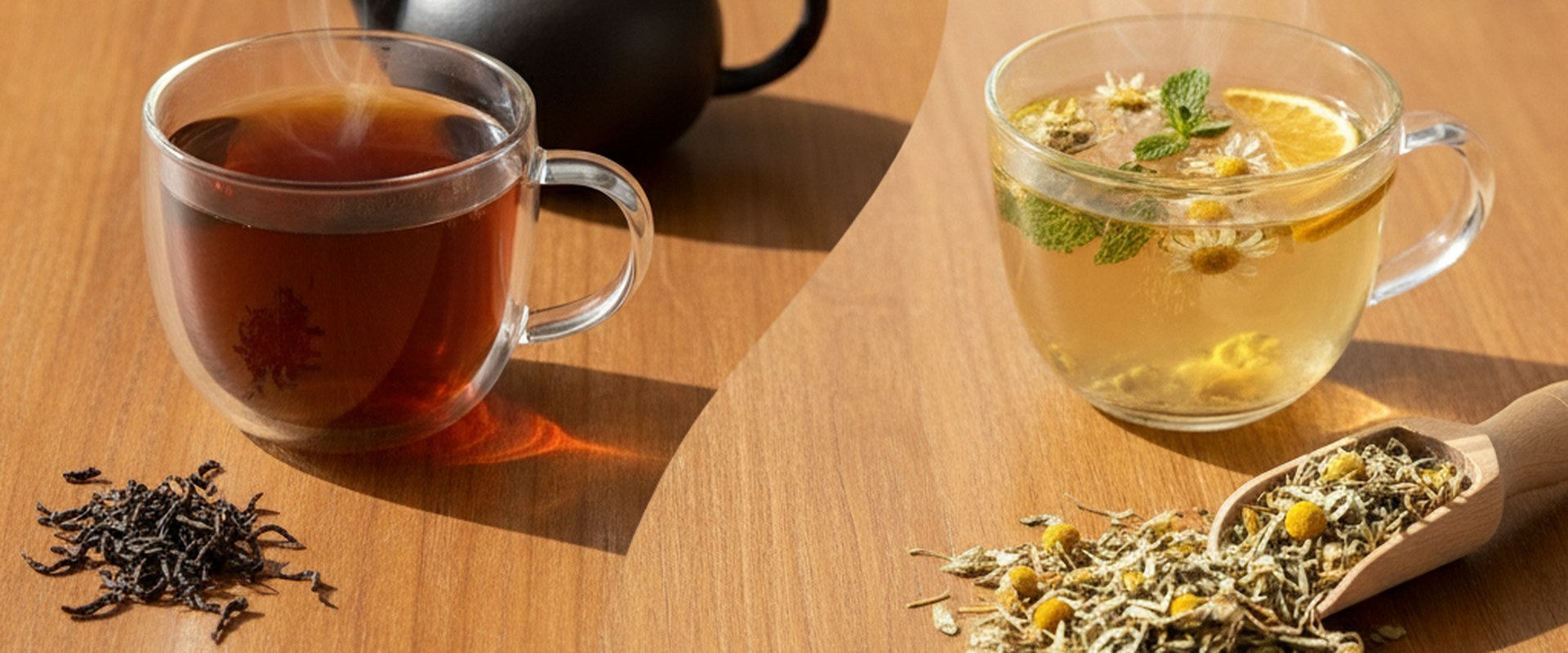
About tea
Какой чай бодрит, а какой успокаивает: как кофеин и L-теанин задают эффект. Чёрный и пуэр — для энергии, зелёный — фокус, травяной и белый —

Какой чай бодрит, а какой успокаивает: как кофеин и L-теанин задают эффект. Чёрный и пуэр — для энергии, зелёный — фокус, травяной и белый —
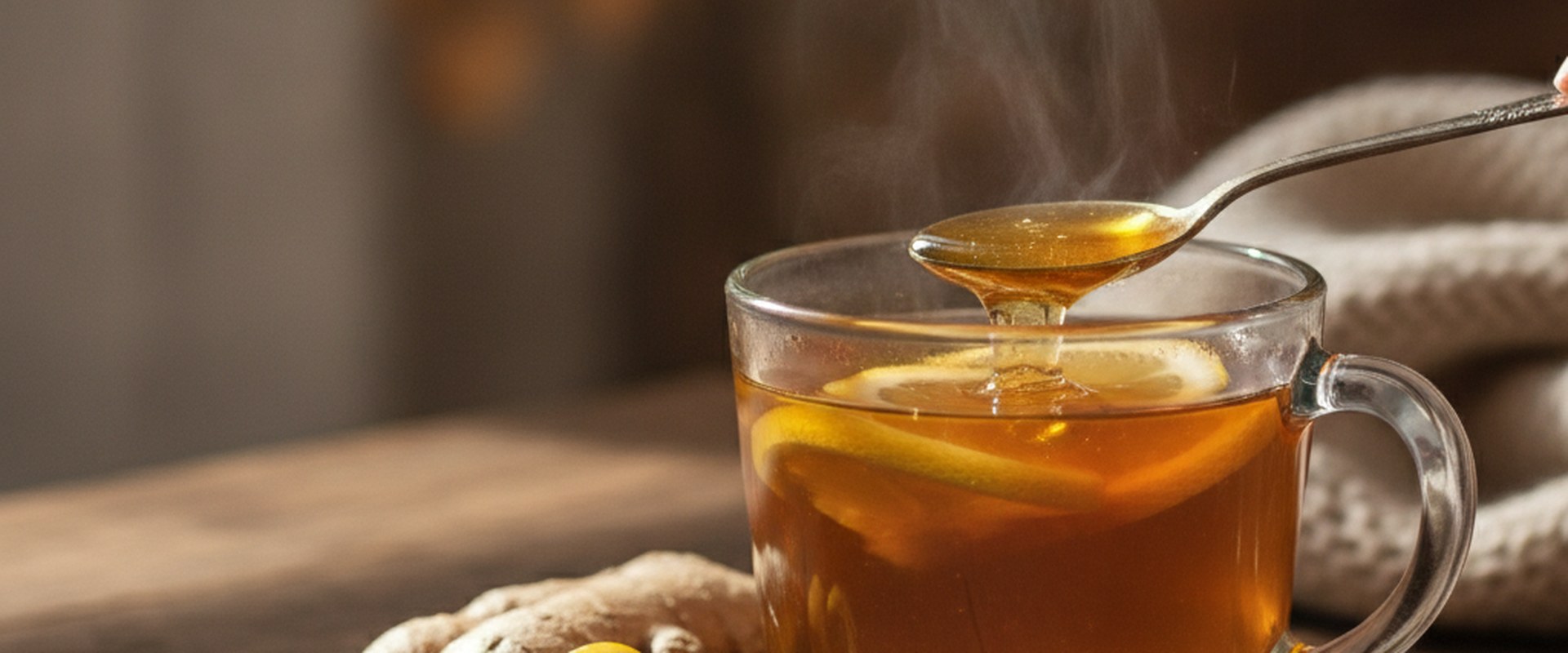
What tea to drink for a cold and for immunity: black with lemon and honey, ginger, green, herbal. What really helps the throat and what’s a myth. How to brew.
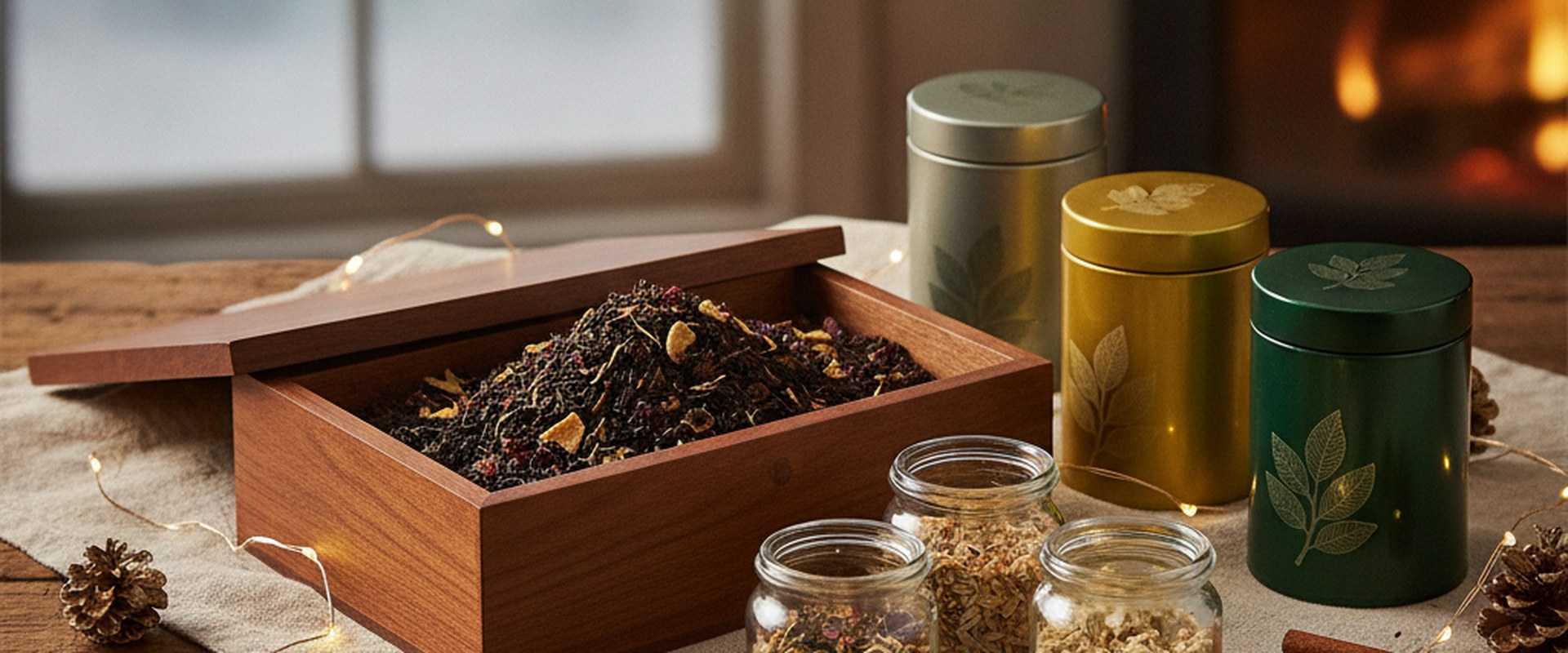
How to choose tea as a gift: what to give a boss, a woman, for a holiday, what to look at and how to present it. Pu-erh, jasmine, black. Delivery across Uzbekistan.
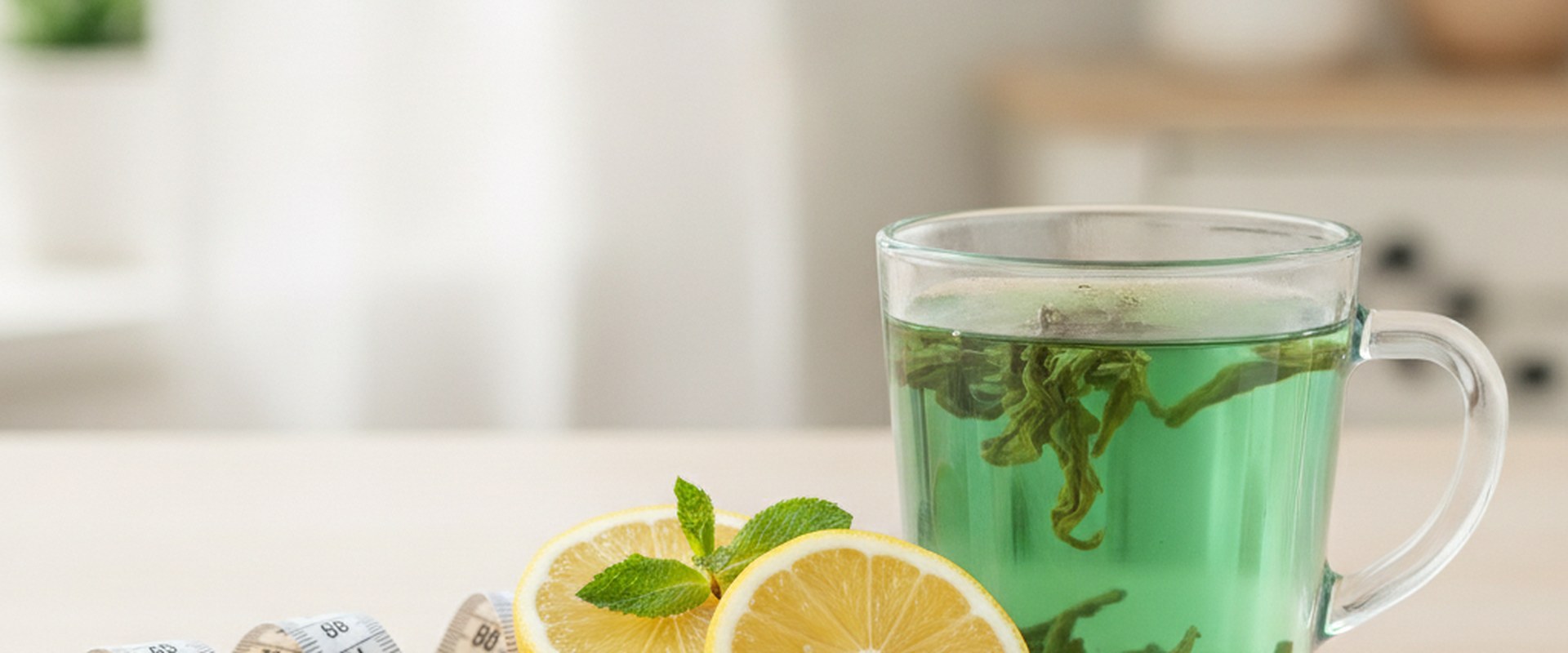
Green tea doesn’t burn fat directly, but it helps you lose weight: it replaces sugary drinks, curbs sugar cravings, mild thermogenesis. Dosage schedule, doses, how to brew.
Цейлонский чай — это чёрный чай со Шри-Ланки. До 1972 года остров назывался Цейлон, и хотя страна давно сменила имя, за чаем название закрепилось намертво
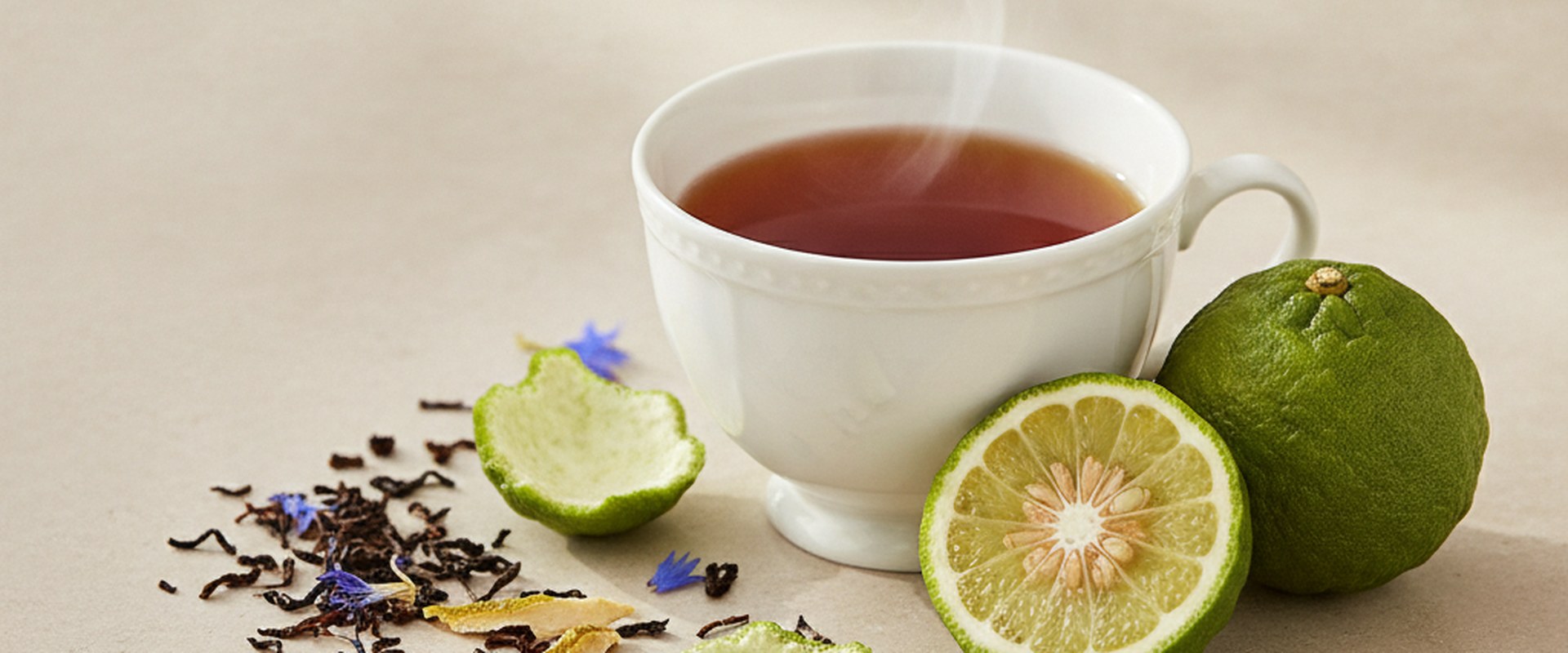
Чай Эрл Грей — это чёрный чай, ароматизированный маслом бергамота, цитруса из итальянской Калабрии. Именно бергамот даёт напитку узнаваемый парфюмерно-цитрусовый аромат с лёгкой горчинкой, по

Жасминовый чай — это зелёный (реже белый или улун) чай, ароматизированный живыми цветами жасмина. Классику делают многослойным способом: свежий чайный лист и раскрывшиеся к ночи
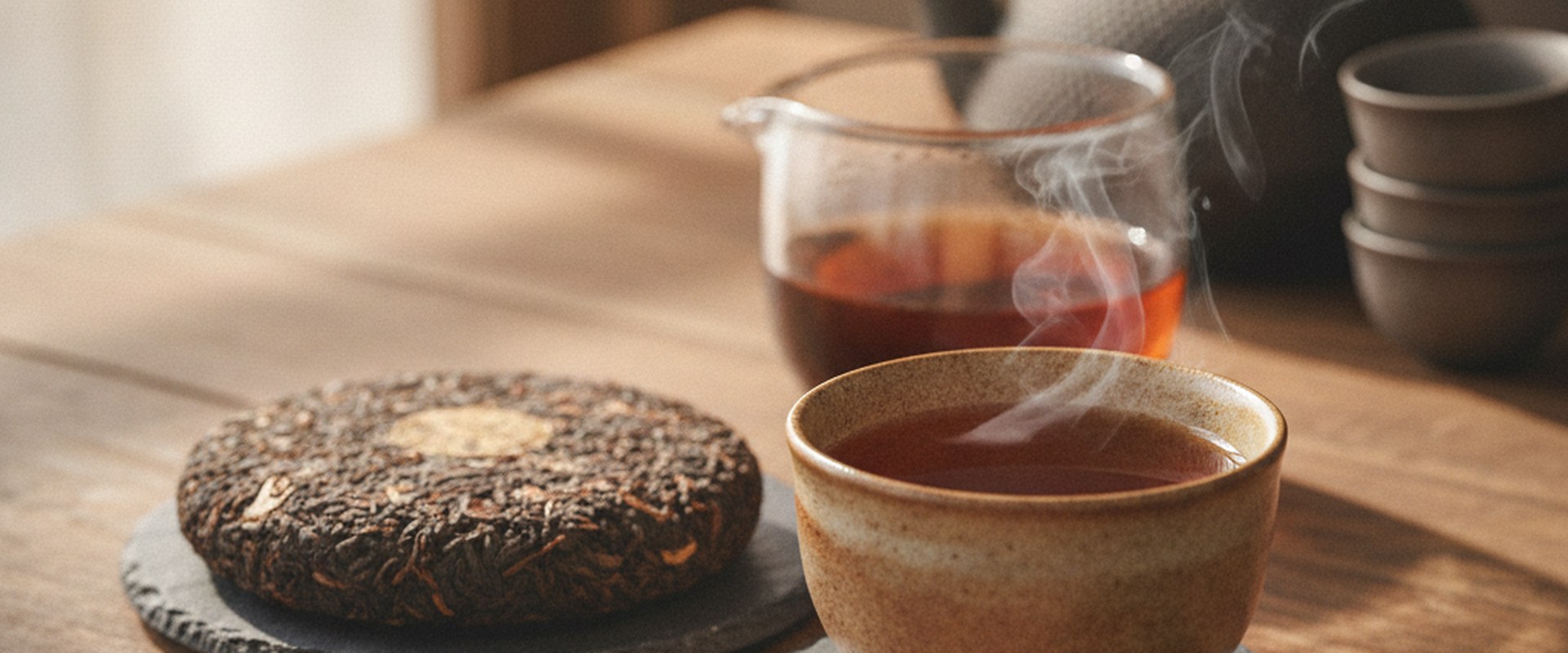
Пуэр для похудения работает не так, как обещает реклама: чашка чая не сжигает жир и не «растворяет» его в теле. Прямого жиросжигающего эффекта у пуэра
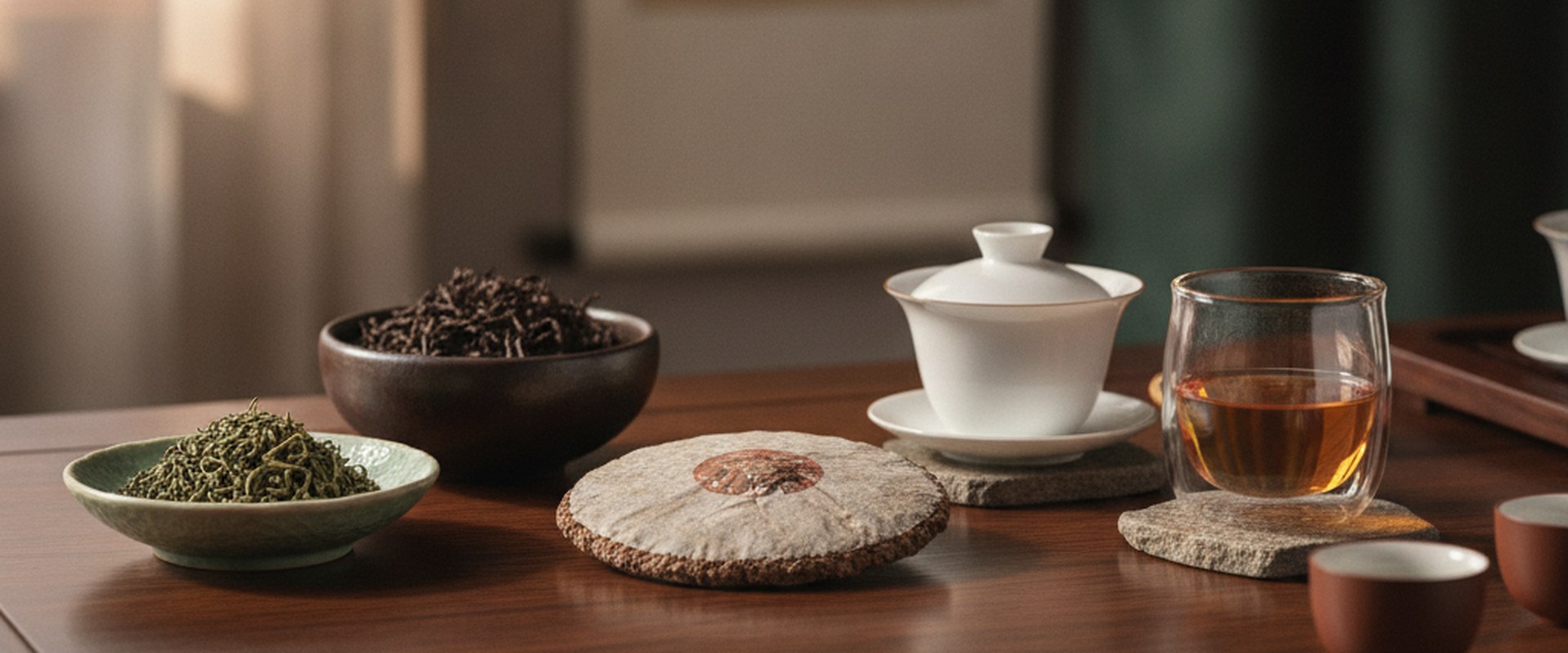
Chinese tea is not a single drink but a whole system of six classes, dozens of varieties and different brewing cultures. While it is easy to get lost in the names,
How much black tea can you drink per day?