



Chinese tea isn't a single drink but a whole system of six classes, dozens of varieties and different brewing cultures. It's easy to get lost in the names, but easy to understand: it all comes down to the leaf's fermentation level. This overview covers what types of Chinese tea exist, how each is beneficial, how to choose your own and not overpay for pretty packaging.
What counts as real Chinese tea
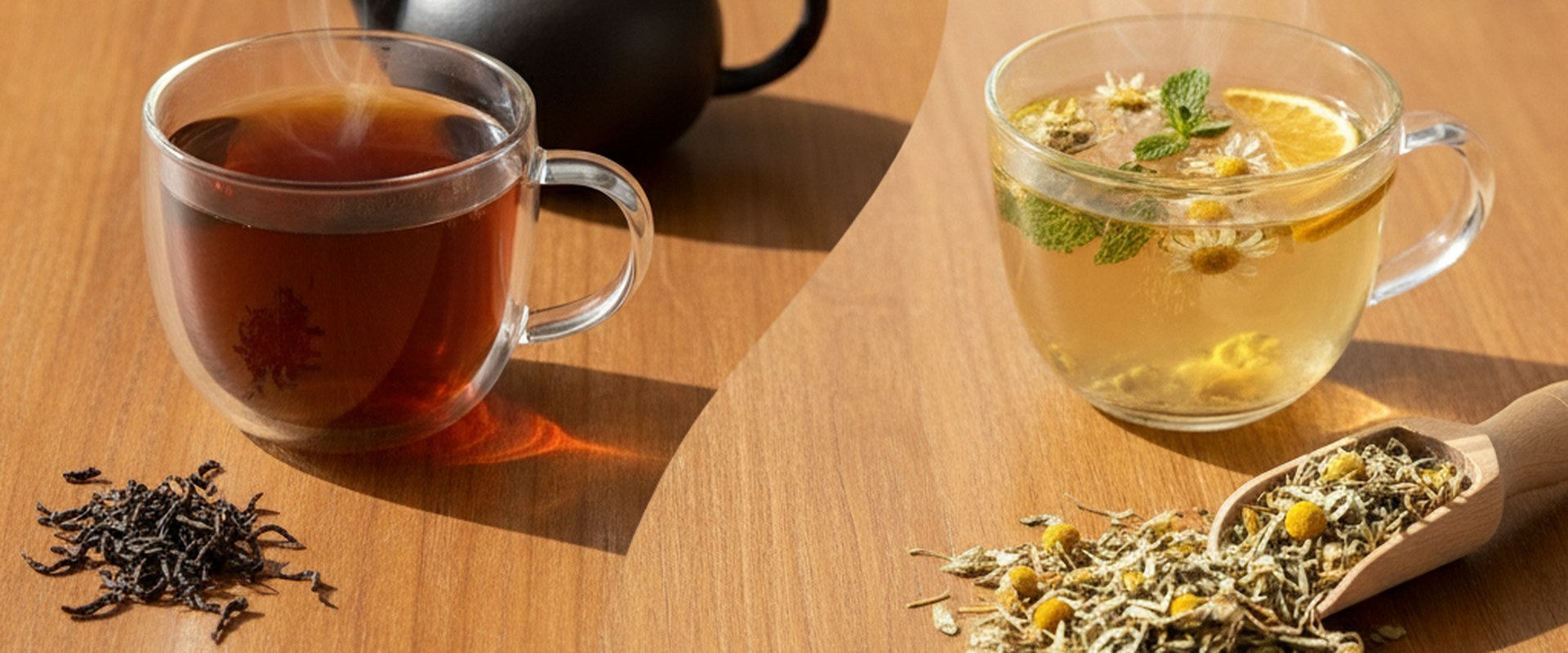
Real tea is the leaf of the tea bush Camellia sinensis. Everything else (hibiscus, rooibos, herbal blends) is not tea but a drink made from other plants. China is the homeland of tea, and it is here that the classification by six "colors" took shape: green, white, yellow, oolong (turquoise), red, and dark (pu-erh). The difference between them lies not in different bushes, but in how strongly the leaf was oxidized and fermented after harvesting.
Types of Chinese tea: the six classes
The easiest way to remember them is as a scale — from almost unprocessed green to fully fermented pu-erh.
| Green tea, China, premium grade, №110 | Fermentation | 80 g | Caffeine |
|---|---|---|---|
| Green | Almost none | Fresh, grassy | Medium |
| White | Weak | Delicate, slightly sweet | Low |
| Yellow | Light | Mellow, without grassiness | Medium |
| Oolong | Partial | From floral to creamy | Medium |
| Red (black) | Full | Rich, malty | High |
| Pu-erh (dark) | Post-fermentation | Earthy, deep | Medium |
A small but important note about names: what we in Russia and Uzbekistan are used to calling "black tea" is called in China red — after the colour of the infusion. And the Chinese «black» is precisely pu-erh. Next we'll look at the three types available in our catalogue.
Green tea — the most popular
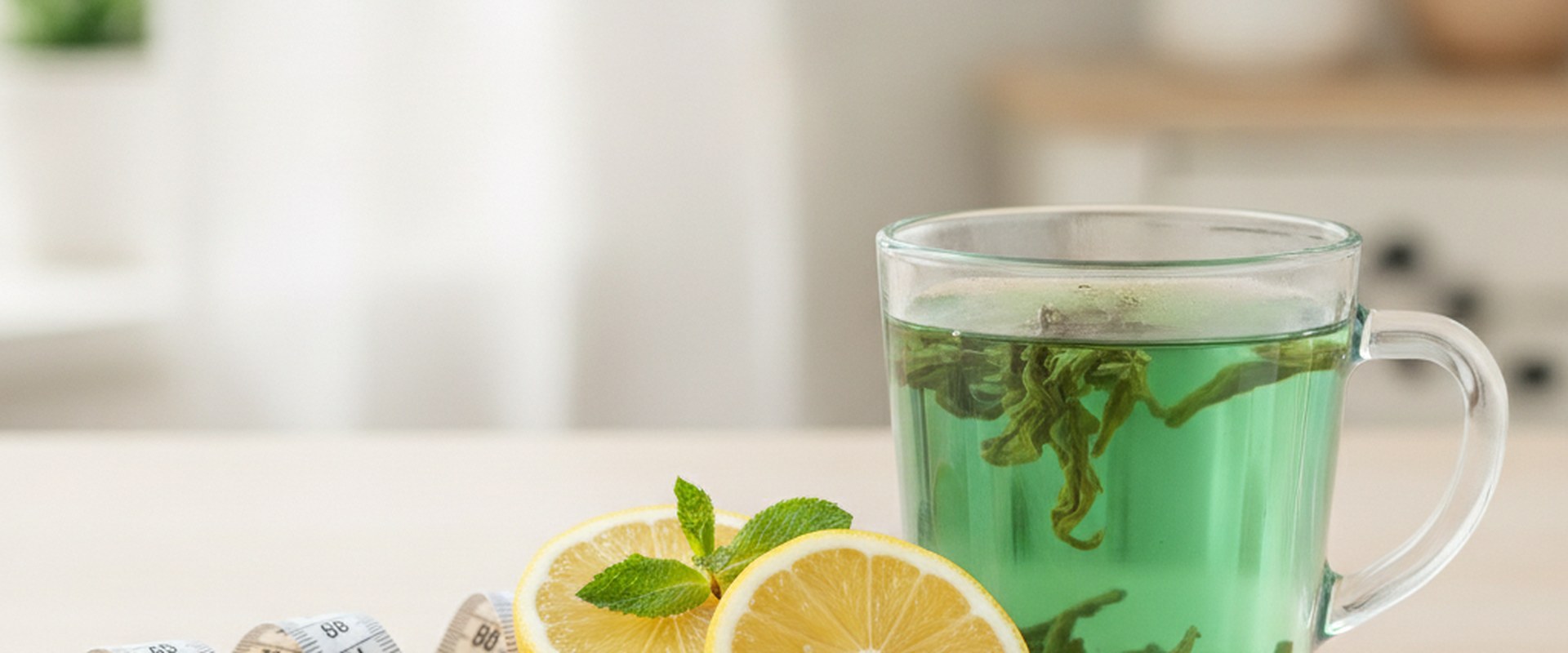
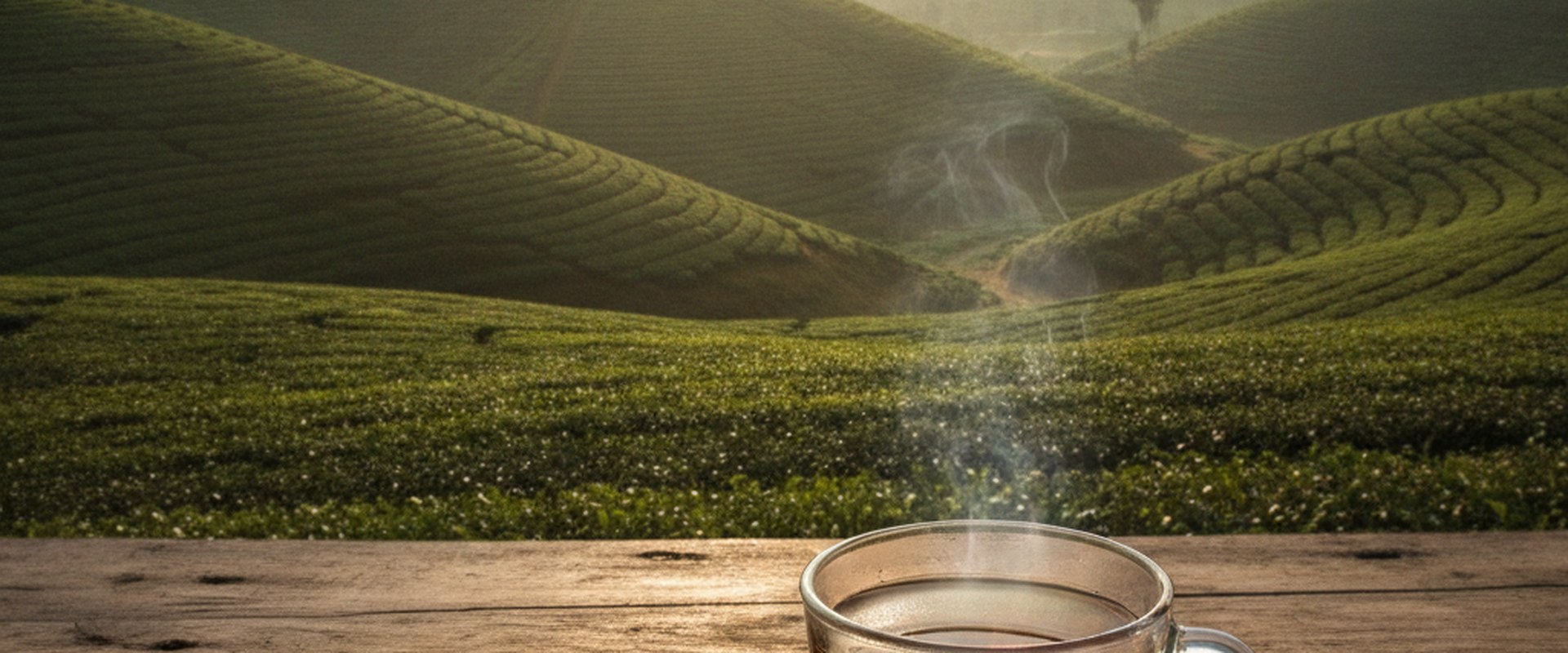
The leaf is barely oxidized, so it holds the maximum of catechin antioxidants and a lively, grassy-fresh taste. This is the largest and most varied group: here you'll find mellow sencha, roasted gunpowder, and the famous Dragon Well. Green tea invigorates well during the day and isn't as heavy as black tea. How the varieties differ and which one to choose — in the review types of green tea, and the brewing nuances (so it isn't bitter) — in the guide how to brew green tea. The range is in the green tea catalog.
Red (black) tea — rich and warming
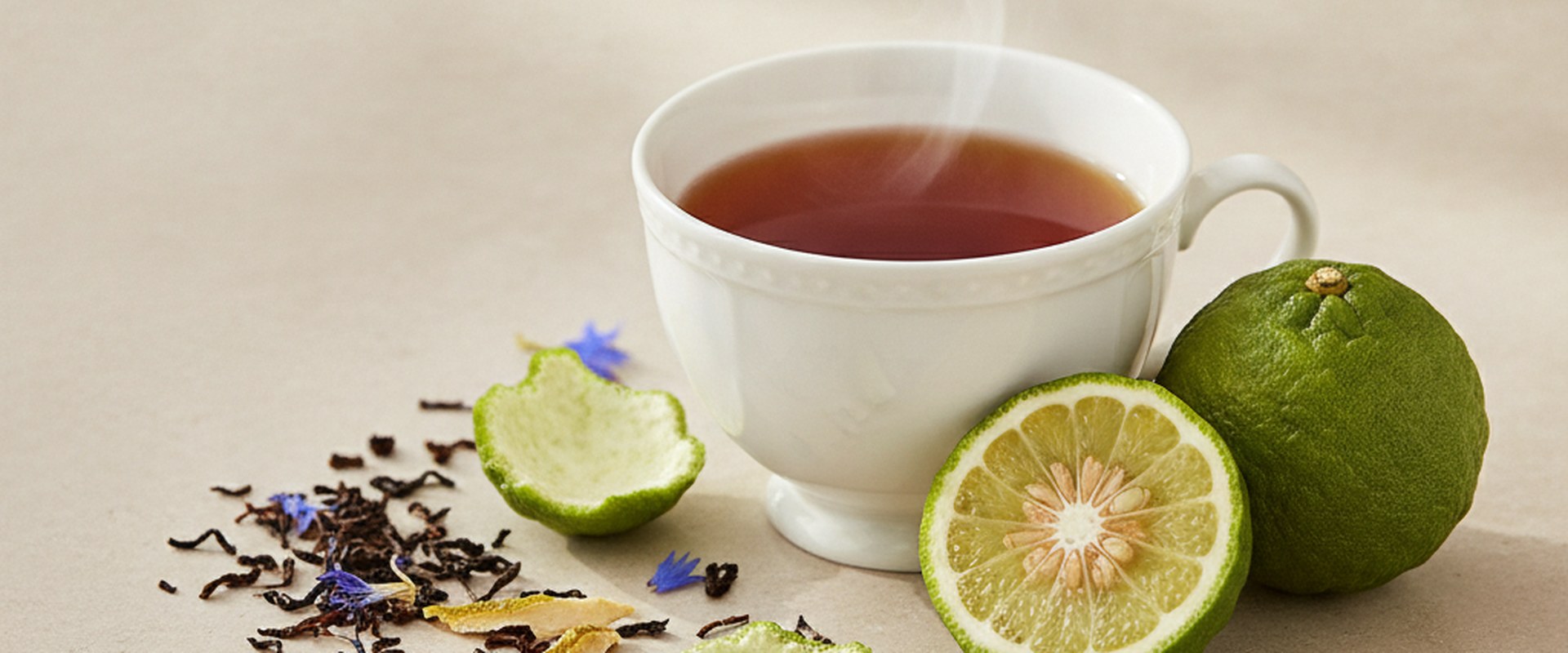
Fully fermented leaf yields a dark infusion, a malty flavor and a strong lift — this is the classic 'morning' tea that pairs well with milk and keeps you alert. This group includes Ceylon varieties and flavored Earl Grey. More on the benefits, varieties and correct brewing in the article black tea: benefits and harm. You can choose in the black tea catalogue.
Pu-erh — a post-fermented tea for gourmets
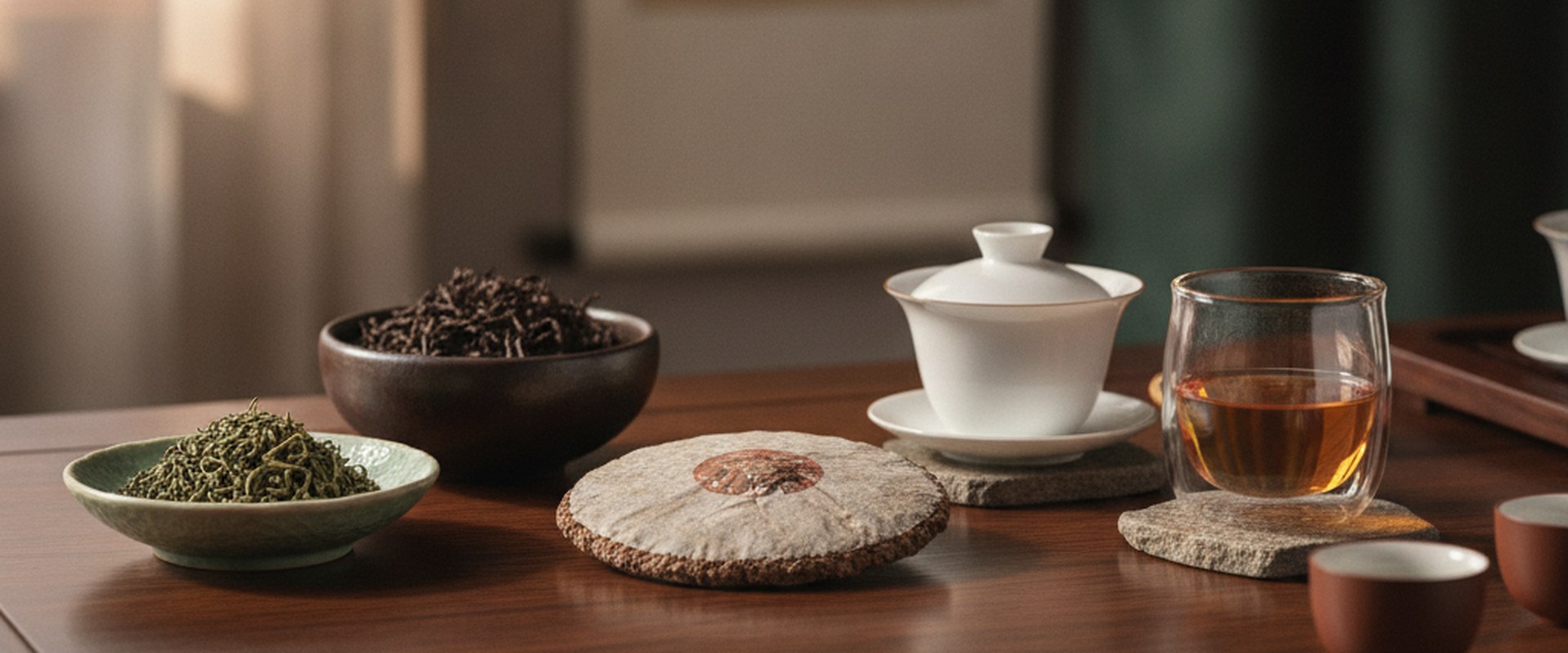
Pu-erh stands apart: its leaf undergoes an additional 'ripening', which makes the flavour earthy and deep. There is mild dark shou and invigorating green sheng. Pu-erh is traditionally drunk after a heavy meal — it aids digestion. How it is beneficial and who should avoid it — in the review the benefits and harms of pu-erh, and how shou differs from sheng — in the article about the difference between shou and sheng. Pressed cakes and tuo cha — in in the pu-erh catalogue.
How Chinese tea is good for you
For all its diversity, genuine leaf tea has a common base of benefits:
- Antioxidants. Polyphenols and catechins help cells resist oxidation — they're most abundant in green and white tea.
- Gentle tone. Caffeine paired with L-theanine gives steady alertness without the 'jitters', unlike coffee.
- Support for the heart and blood vessels. Regular moderate tea consumption is associated with a more favorable cholesterol profile.
- Chinese tea isn't a single drink but a whole system of six classes, dozens of varieties and different brewing cultures. It's easy to get lost in the names, but easy to understand: it all comes down to the leaf's fermentation level. This overview covers what types of Chinese tea exist, how each is beneficial, how to choose your own and not overpay for pretty packaging. Especially with pu-erh and red tea after a hearty meal.
- Zero calories. Tea without sugar is a good replacement for sugary drinks and snacks.
How to choose Chinese tea for yourself
It's easier to go by the goal and time of day rather than the name.
| Objective | What to choose | Why |
|---|---|---|
| To perk up in the morning | Red (black) tea | Maximum energy, rich flavour |
| Work through the day without stress | Green tea | Steady energy, plenty of antioxidants |
| After a hearty meal | Pu-erh | Aids digestion, relieves heaviness |
| A calm evening | White or soft shou pu-erh | Less caffeine, delicate taste |
| For guests and as a gift | Partial | Bright taste and aroma |
Red (black)
General rule: the more delicate the leaf, the lower the temperature. Green and white are brewed with 70–85 °C water so the leaf isn't scorched and doesn't turn bitter; red tea and pu-erh — with 95–100 °C water. A good leaf tea withstands several infusions, and each reveals the taste anew — don't rush to throw out the leaves after the first cup. See exact timings in the per-type guides above.
How to tell real Chinese tea from a fake
Dyed dust is often sold under the guise of «premium Chinese» tea. Signs of real tea: a whole rolled leaf (not dust from a bag), a natural rather than acid-bright colour, a clean tea aroma without harsh perfume, and a clear infusion with no cloudiness. A detailed checklist is in the article on natural and organic tea.
Questions and answers
Earthy, deep
Green and white tea lead in antioxidant content because their leaf is oxidized the least. But there's no 'most beneficial' type — leaf quality and moderation matter more.
Which Chinese tea has the most caffeine?
The most is in red (black) tea. White tea has the least caffeine. Green, oolong, and pu-erh are roughly in the middle.
Why is Chinese 'black' tea not what we know?
In China, our familiar black tea is called red after the colour of the infusion, while «black» refers to pu-erh. It's a difference in terminology, not in the tea itself.
Which Chinese tea should a beginner choose?
, and the brewing nuances (so it isn't bitter) — in the guide
Can Chinese tea be brewed several times?
Yes. Quality loose-leaf tea, especially oolong and pu-erh, withstands from 3–4 to 7–8 infusions, unfolding its taste gradually.
the green tea catalog
The plant is one and the same; the difference lies in terroir and processing tradition. China offers the whole palette from green to pu-erh, while Ceylon and India specialize mainly in rich black tea.
Where to buy genuine Chinese tea in Uzbekistan?
Loose-leaf Chinese tea — green, black and pu-erh — with delivery across Tashkent and all of Uzbekistan can be ordered in the Amir Tea catalogue at amirtea.uz.
Среди чёрных отдельно выделяются цейлонский чай со Шри-Ланки и ароматизированный Earl Grey с бергамотом — им посвящены отдельные статьи.
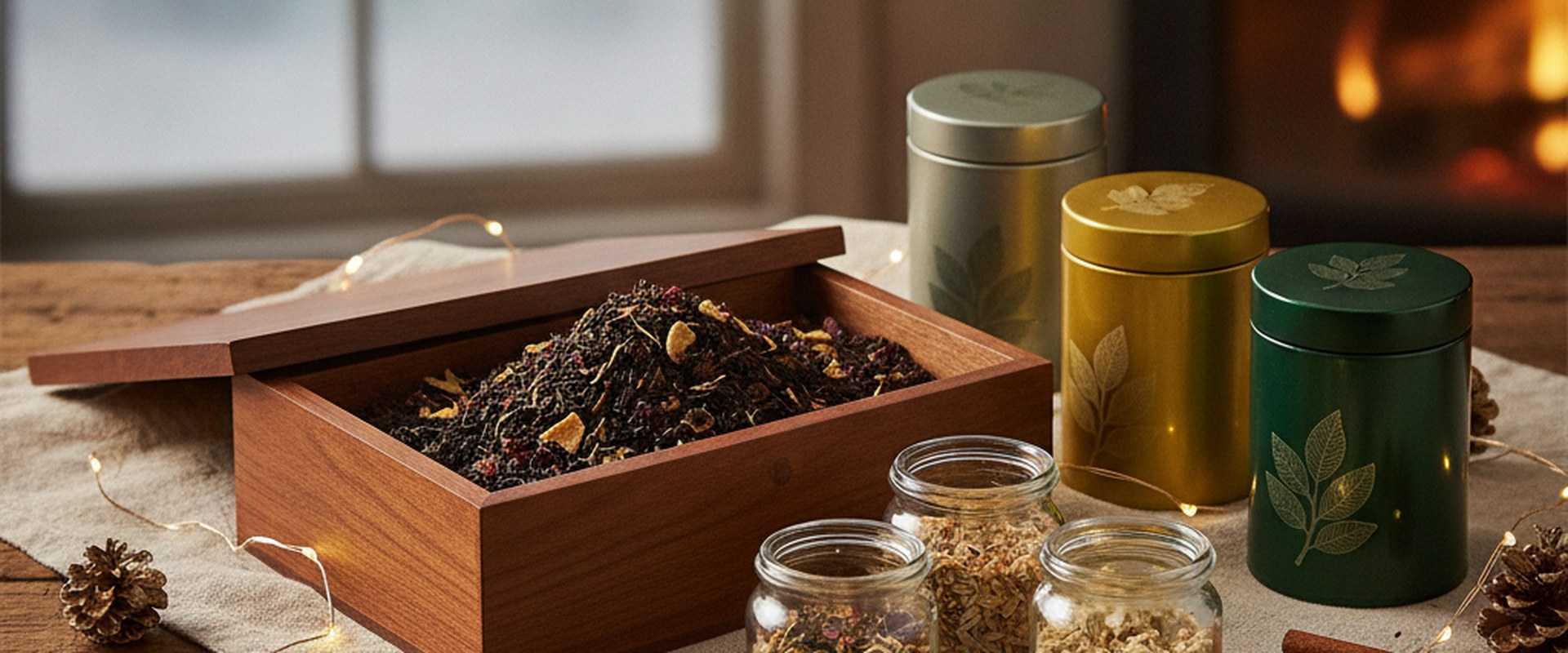
Хороший чай легко превратить и в подарок — как выбрать сорт и оформление, собрали в отдельном гиде: чай в подарок.
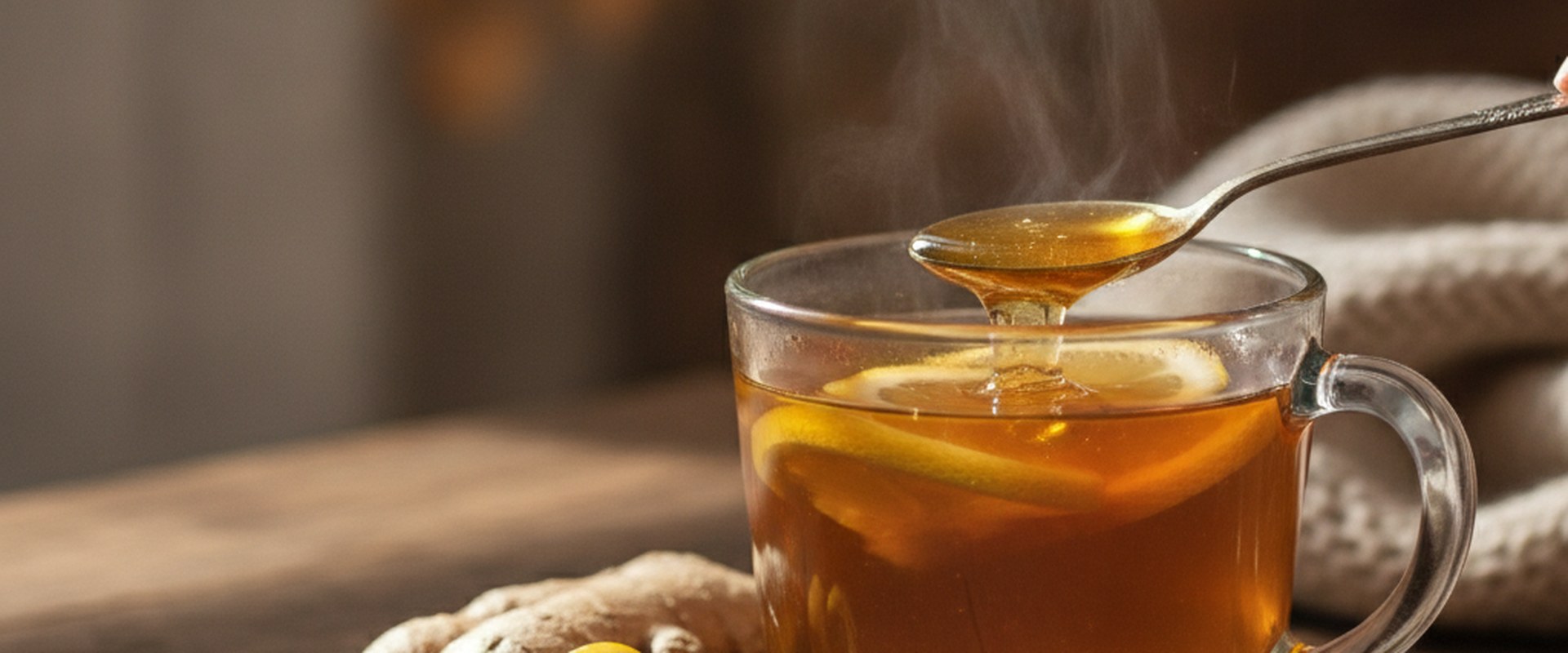
Какой чай пить при простуде и для иммунитета — разобрали в отдельном материале.
Какой чай бодрит, а какой успокаивает — сравнение видов по эффекту в этой статье.
The key points in brief
Chinese tea is divided into six classes by degree of fermentation — from fresh green to deep pu-erh. Choose by purpose, not by a loud name: in the morning — rich red, during the day — green, after a meal — pu-erh. The main thing is a whole leaf and honest ingredients. Amir Tea — natural Chinese tea from Samarkand with delivery across Uzbekistan: green, black and pu-erh in the catalogue at amirtea.uz.