



Green tea forgives fewer mistakes than black: overheat the water by 15 degrees or over-steep the leaves by a minute, and you get bitterness in the cup instead of a soft grassy taste. The good news is that proper brewing rests on three numbers — temperature, time, and the amount of leaf. Let's go through them in order, with modes for specific varieties and tables you can keep in front of you by the kettle.
Water temperature is the main number
Green tea is brewed with water 70–85 °C, not boiling water. Boiling water (100 °C) destroys the catechins and the amino acid L-theanine that give sweetness and umami, and draws tannins out of the leaf — hence the astringent bitterness. The more tender and young the leaf, the lower the temperature needed.
You usually don't have an accurate thermometer on hand, so it's easier to go by how the boiling water cools: after boiling, water loses about 1 °C every 5–10 seconds in an open cup. Take the kettle off, wait 3–5 minutes, and you've got the needed 75–80 °C.
| Green tea type | Temperature, °C | Floral-fruity | Why so |
|---|---|---|---|
| Japanese (sencha, gyokuro) | 60–70 | 40–60 sec | Delicate leaf, lots of theanine — turns bitter from heat |
| Chinese bud tea (Long Jing, Bi Luo Chun) | 75–80 | 1–2 min | Young buds, delicate aroma |
| Gunpowder | 80–85 | 65–70 | A tightly rolled leaf opens up more slowly |
| Jasmine, flavored | 80–85 | 65–70 | A stronger leaf, holds its aroma |
How much tea to use
The basic ratio is — 3 g of leaf per 200 ml of water. That's a heaped teaspoon for rolled varieties like gunpowder and almost two spoons for fluffy, voluminous leaves such as Bi Luo Chun, which take up more space at the same weight.
A kitchen scale settles it more precisely than a spoon: leaf density varies by 2–3 times across varieties. If you brew in a small 100 ml gaiwan with short infusions, take the same 5–6 g but less water each time and shorter steeps. More on infusions below.
For beginners, for everyday
Green tea opens up in 1–3 minutes when brewing in a cup or large teapot. Over-steeping produces bitterness just as reliably as boiling water, so it is best to separate the leaf from the water right away — through a strainer, a teapot or by pouring off from a gaiwan.
Brewing in a cup or teapot
One or two infusions of 1.5–3 minutes each. There is no point holding it longer: the leaf gives up everything valuable in the first two minutes, after which only bitterness comes. This method is convenient at work and for flavoured varieties.
Multi-infusion method (gaiwan)
The Chinese tradition is many short infusions with increasing time. The same leaf holds 4–6 brews, and each differs in taste: the first mild, the second the richest, then a gradual fading. The same principle works with brewing pu-erh in infusions, only the temperature for green tea is lower.
| Infusion | Time | What's in the taste |
|---|---|---|
| 1st | How to choose a quality leaf | The rinse to get acquainted, a light taste |
| 2nd | 15–20 sec | The richest, fullest aroma |
| 3rd | 20–30 sec | Softer, the sweetness opens up |
| 4th | 40–60 sec | Delicate, but still lively taste |
| 5th–6th | 1.5–2 min | Fading out, light watery brew |
What water you need
The taste of tea is 95% water, so hard chlorinated tap water will ruin even an expensive Long Jing. Use soft water — bottled or filtered, with a mineralisation of about 50–150 mg/l.
Bringing water to a rolling boil and then cooling it down is not the best option: with prolonged boiling the dissolved oxygen leaves the water and the tea turns out "flat". Take the kettle off at the moment of the "white spring", when a chain of small bubbles rises, and let it cool to the required temperature.
Loose leaf or in bags
Bagged green tea is brewed the same way — water at 80 °C, 1–2 minutes, without over-steeping. But a bag usually holds fine dust and fannings rather than whole leaves: the infusion comes out stronger and coarser, the aroma is poorer, and you can't re-steep a bag. For a quick everyday cup on the go it works, but for flavour loose-leaf tea is in a league of its own. One gram of good loose-leaf tea yields 4–5 infusions, one bag — a single cup.
Cold brewing in summer
. Delivery across Uzbekistan.
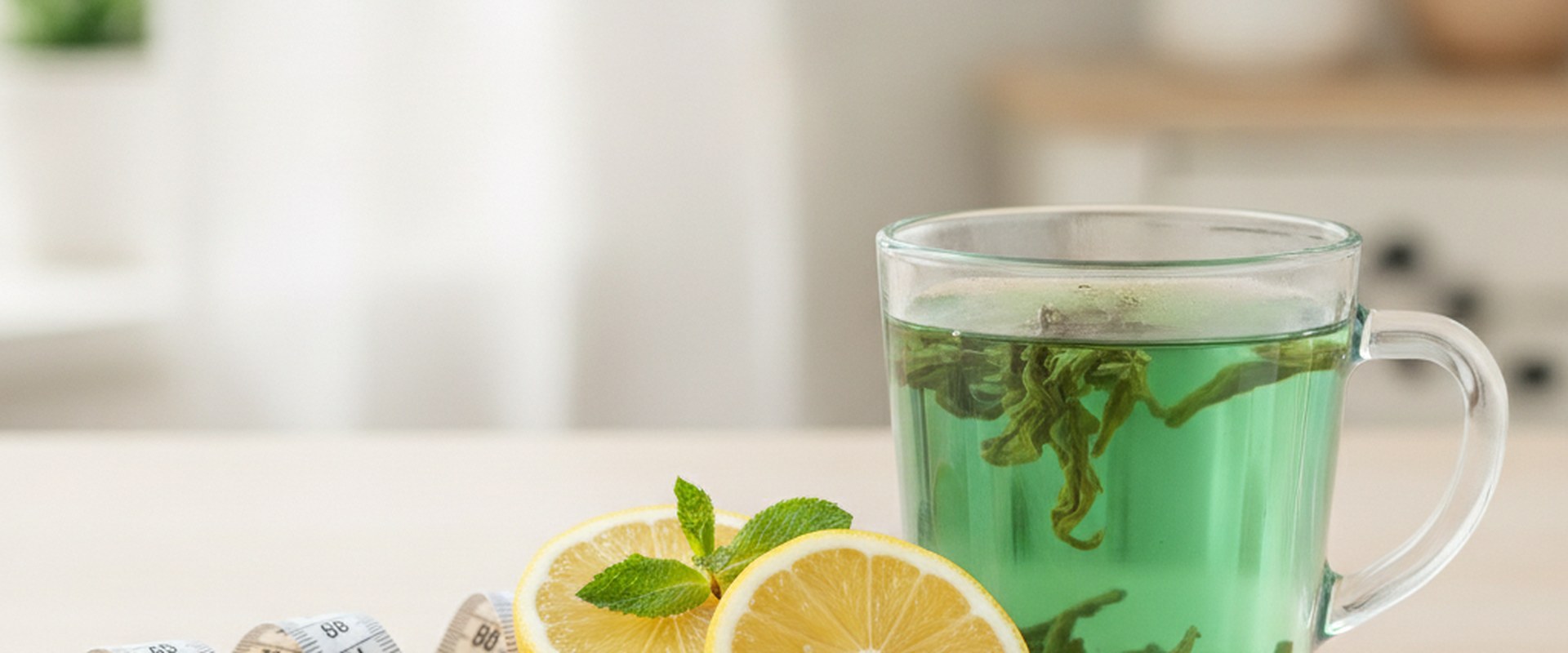
Cold green tea keeps in the fridge for a day. Lemon, mint or cucumber are added to the finished drink, not during brewing — that way the aroma stays cleaner.
Milk, sugar, lemon — are they needed
Classic green tea is drunk without additives: its value lies precisely in the pure herbal taste and delicate aroma, which sugar and milk overpower. If the infusion comes out bitter, it's better to fix the brewing (lower the temperature, shorten the time) than to mask the taste with sugar.
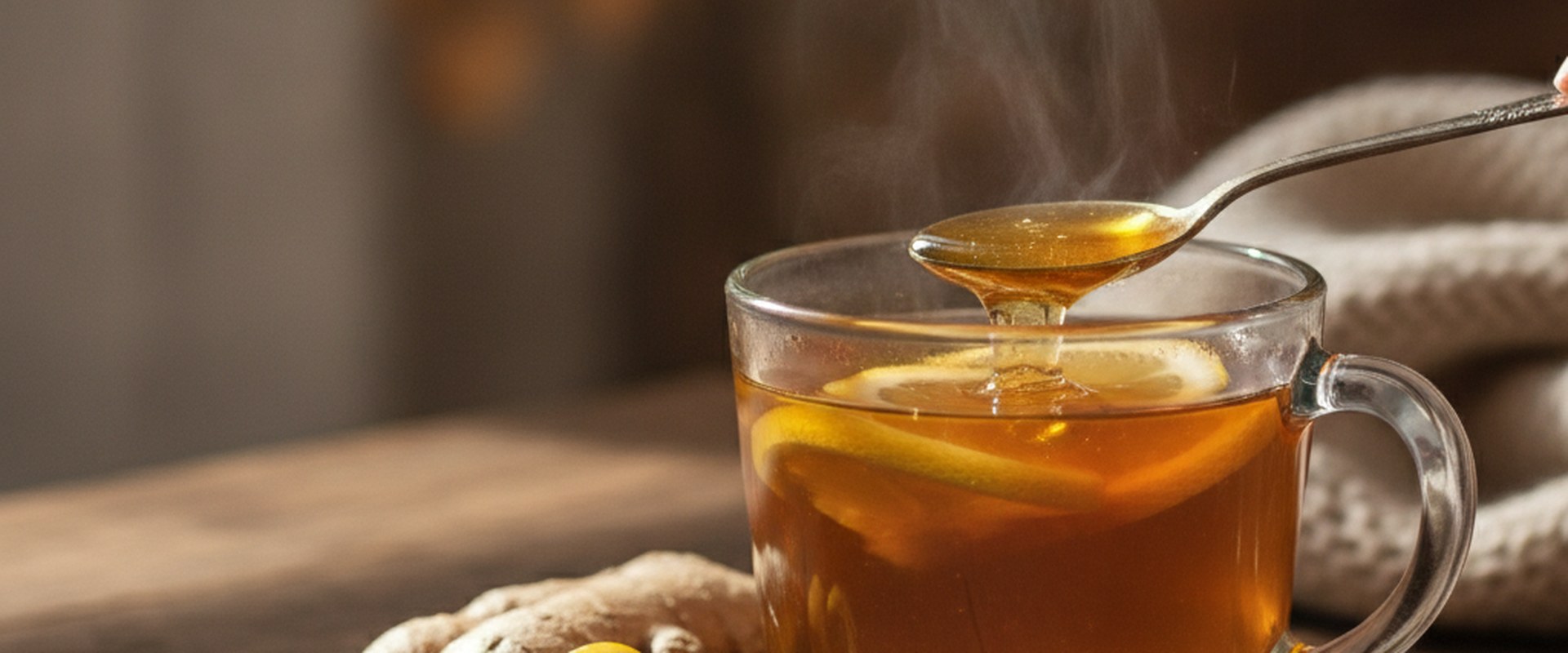
Lemon is another matter: a slice added to tea cooled to 60 °C brings freshness and, according to several studies, helps the absorption of catechins. An important nuance — lemon goes into warm, not hot tea, otherwise the acid intensifies the bitterness. Honey, for the same reason, is added only once the drink has cooled below 60 °C: in boiling water it loses its benefits.
Common mistakes
Most complaints about "bitter green tea" come down to four mistakes:
- Boiling water instead of 75–80 °C — the most common cause of bitterness.
- Over-steeping. The leaf was left in the cup for 5–7 minutes — now we're drinking tannic bitterness.
- Brewing «for the whole day» in a thermos. The leaf stews in hot water for hours and turns into an astringent infusion.
- Old tea. Green tea is the shortest-lived of teas — after the pack is opened it keeps its freshness for 4–6 months, after which the aroma fades.
For more on how tea affects wellbeing and how many cups a day are safe, see the article about the benefits and harm of green tea.
1–2 min
Green tea fears four things: light, moisture, heat and foreign odors. Keep it in an opaque airtight jar, away from the stove, spices and coffee. A refrigerator isn't needed — temperature swings cause condensation, and for green tea moisture is worse than heat.
Для ароматизированной зелёной основы режим тот же — подробнее про jasmine tea и как его заваривать.
Frequently asked questions
What temperature should green tea be brewed at?
70–85 °C depending on the variety: Japanese sencha and gyokuro — 60–70 °C, Chinese bud teas — 75–80 °C, gunpowder and flavored — 80–85 °C. Boiling water at 100 °C is not used — it produces bitterness.
How many times can you brew green tea?
In a cup or teapot — 1–2 times. When brewing with multiple infusions in a gaiwan, a quality leaf withstands 4–6 infusions, and each reveals a new nuance of taste.
Why does green tea turn bitter?
Three reasons: water that's too hot (boiling), steeping the leaf longer than 3 minutes, and too much tea. Lower the temperature to 75–80 °C, cut the time, and separate the leaf from the water in time.
How many grams of tea per cup?
3 g of leaf per 200 ml of water — that's about a heaped teaspoon for rolled varieties or almost two spoons for bulky fluffy leaves. The most accurate way is to weigh it on kitchen scales.
Can green tea be brewed with boiling water?
No. Water at 100 °C destroys theanine and catechins and pulls out tannins — the tea becomes bitter and loses its aroma. Let the boiling water cool for 3–5 minutes down to 75–80 °C.
How long should you steep green tea?
1–3 minutes when brewing in a cup. With the multiple-infusion method the first infusion is 10–15 seconds, then each infusion's time is increased by 5–15 seconds. It's not worth over-steeping the leaf longer than 3 minutes.
Which green tea is the mildest in taste?
Japanese Gyokuro and Chinese Dragon Well are the most delicate, with a grassy sweetness and no sharp astringency. They also need the lowest water temperature. Gunpowder and jasmine are stronger and richer. A detailed breakdown of the varieties — in the review types of green tea.
Where to buy green tea
The AMIR TEA catalogue features Chinese green teas of various grinds and rolls, classic and flavoured: jasmine, peach-and-raspberry, loose-leaf. We'll help you pick a variety to match your brewing method — you can choose in the section green tea in the catalog. Delivery across Uzbekistan.